
What Happens if Your Child Is Injured in a School Bus Accident?
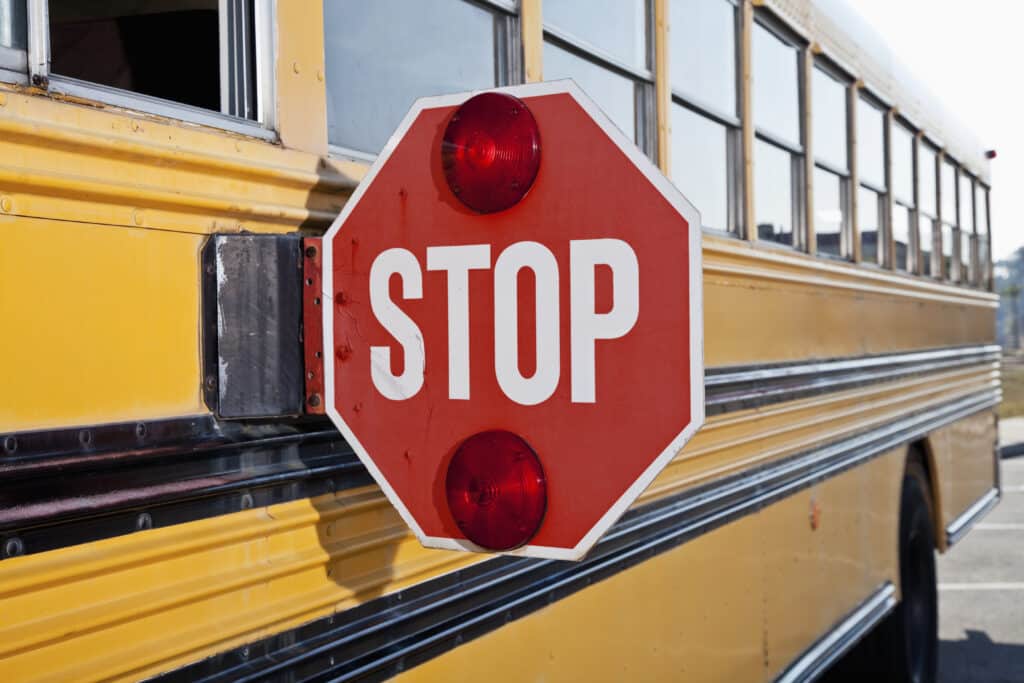
Parents trust school buses to safely transport their children to and from school each day. While school buses are generally considered one of the safest forms of transportation, accidents can and do happen. When a child is injured in a school bus accident, parents are often left dealing with medical concerns, emotional stress, and questions about who may be responsible. Whether the accident involves a collision with another vehicle, a bus rollover, or an injury that occurs while boarding or exiting the bus, understanding your legal rights can help you make informed decisions during a difficult time.
How School Bus Accidents Happen
School bus accidents can occur in many different ways. Some crashes are caused by negligent drivers on the road, while others may involve mistakes made by bus operators or issues with vehicle maintenance. Common causes of school bus accidents include:
- Distracted driving
- Speeding
- Driver fatigue
- Failure to obey traffic signals
- Unsafe lane changes
- Poor vehicle maintenance
- Hazardous road conditions
In some situations, children may also be injured while getting on or off the bus, particularly when other motorists fail to stop for a loading or unloading school bus.
Common Injuries Children May Suffer
Because children are more physically vulnerable than adults, even a relatively minor bus accident can result in significant injuries. Some common school bus accident injuries include:
- Concussions and traumatic brain injuries
- Broken bones
- Neck and back injuries
- Cuts and lacerations
- Internal injuries
- Psychological trauma and anxiety
Not every injury is immediately apparent. Children may not fully understand or communicate their symptoms after an accident, making medical evaluation especially important.
Who May Be Liable for a School Bus Accident?
Determining liability after a school bus accident is often more complicated than a typical car accident claim. Multiple parties may potentially share responsibility depending on how the accident occurred. Potentially liable parties may include:
- The school bus driver
- The school district
- A private bus company
- Another negligent driver
- A vehicle manufacturer
- A maintenance provider
For example, if another driver runs a red light and strikes a school bus, that driver may be responsible for the resulting injuries. If poor maintenance contributed to the accident, additional parties could potentially be involved.
Special Rules May Apply to School District Claims
Many school buses are owned and operated by public school districts. When a government entity may be responsible for an injury, California law often imposes special claim procedures and deadlines.
These deadlines can be significantly shorter than those that apply to other personal injury claims. Missing a required deadline could affect a family’s ability to pursue compensation.
Because every situation is different, understanding whether a public entity is involved is an important part of evaluating a potential claim.
What Compensation May Be Available?
When a child suffers injuries in a school bus accident, compensation may be available for both current and future losses related to the injury. Depending on the circumstances, damages may include:
- Medical expenses
- Future medical treatment
- Rehabilitation costs
- Counseling and mental health treatment
- Pain and suffering
- Long-term care needs
The value of a claim often depends on the severity of the injuries and their long-term impact on the child’s life.
The Long-Term Impact of Child Injuries
Some school bus accident injuries heal relatively quickly, while others may have lasting effects. Serious injuries can impact a child’s education, physical development, emotional well-being, and daily activities. Traumatic brain injuries, spinal injuries, and severe fractures may require ongoing treatment and monitoring. In some cases, children may need accommodations at school or continued medical care well into the future. Understanding these long-term consequences is an important part of evaluating any injury claim involving a child.
What to Do After a School Bus Accident
The steps parents take after a school bus accident can help protect both their child’s health and their legal rights. If your child is involved in a school bus accident:
- Seek medical attention immediately, even if injuries appear minor.
- Follow all recommended treatment plans and follow-up care.
- Keep copies of medical records and expenses.
- Document any symptoms, limitations, or behavioral changes.
- Obtain information about the accident and any official reports.
- Preserve photographs and other available evidence.
Prompt medical care not only protects your child’s health but can also help document the extent of their injuries.
Ashton & Price: Bus Injury Accident Lawyers
When a child is injured in a school bus accident, families are often left facing unexpected medical bills, emotional stress, and uncertainty about the future. If your child has been injured in a school bus accident, the personal injury team at Ashton & Price can help you understand your legal options and pursue the compensation your family may deserve. As Sacramento’s most trusted personal injury attorneys, they are committed to helping clients navigate these challenges and recover the compensation they deserve. Call (916) 786-7787 or (415) 843-2000 or contact us online today for a free consultation.