
Protected Bike Lanes and Bicycle Safety in California Cities
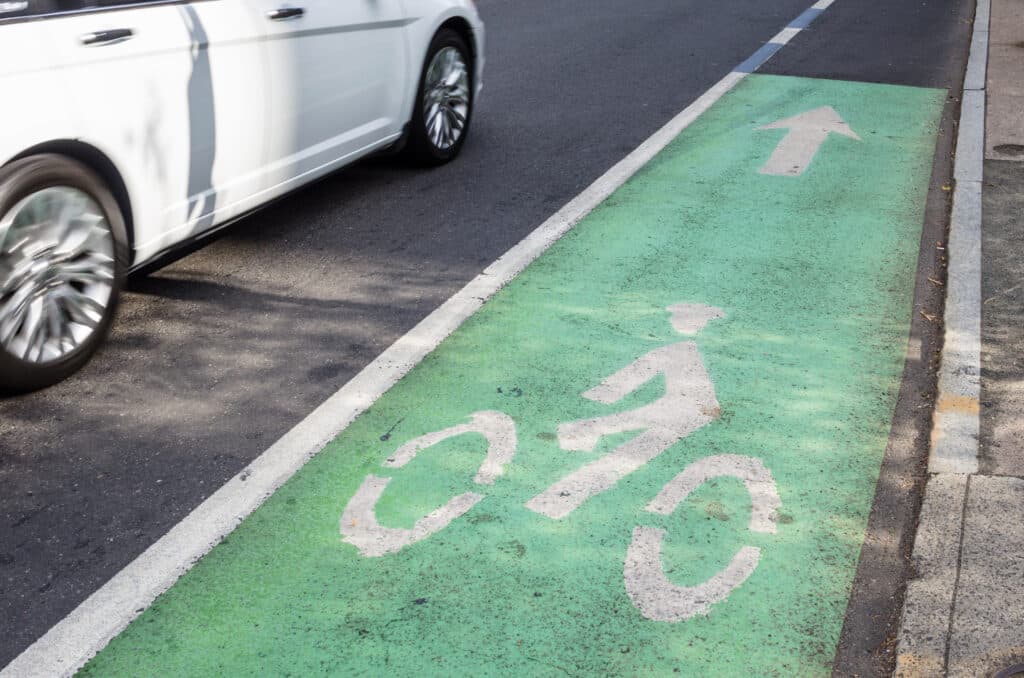
As more Californians choose cycling for transportation, recreation, and commuting, cities throughout the state have expanded bicycle infrastructure to improve rider safety. Sacramento, San Francisco, and other urban areas have increasingly added protected bike lanes designed to reduce collisions between cyclists and motor vehicles.
While protected bike lanes can improve safety, bicycle accidents still happen regularly. Drivers who fail to respect bike lanes, distracted driving, unsafe turns, and intersection conflicts continue to place cyclists at serious risk. Understanding how protected bike lanes work—and how California law applies when accidents occur—can help riders better protect themselves on the road.
What Are Protected Bike Lanes?
Protected bike lanes are bicycle lanes separated from vehicle traffic by physical barriers rather than simple painted lines. Depending on the city, these barriers may include:
- Curbs
- Flexible posts or bollards
- Parked vehicles
- Raised medians
The goal is to create a safer riding space that reduces direct interaction between cyclists and moving traffic. Cities throughout California have expanded protected bike lane systems in recent years as part of broader traffic safety and urban transportation initiatives.
Why Protected Bike Lanes Matter
Traditional bike lanes marked only by paint often provide limited protection from vehicles. Drivers may drift into lanes, park illegally, or make unsafe turns across cyclist traffic. Protected lanes help reduce these risks by creating clearer separation between bicycles and cars. Studies have shown that protected bike infrastructure can:
- Reduce collision risks
- Encourage more people to ride bicycles
- Improve traffic predictability
- Increase rider visibility in congested areas
For cyclists commuting in busy urban environments, these lanes can provide an added sense of safety and confidence.
Bicycle Accidents Still Happen in Protected Lanes
Although protected bike lanes may reduce certain risks, they do not eliminate bicycle accidents entirely. Many crashes still occur at intersections, driveways, and areas where vehicle traffic crosses bicycle routes.
Common causes of protected bike lane accidents include:
- Drivers turning across bike lanes without checking for cyclists
- Distracted driving
- Vehicles entering bike lanes illegally
- Dooring accidents near parked cars
- Poor visibility at intersections
In busy California cities, even well-designed bike infrastructure depends heavily on drivers paying attention and following traffic laws.
Intersections Remain One of the Biggest Risks
Intersections are among the most dangerous areas for cyclists, even when protected bike lanes are present. Drivers may focus on other vehicles and fail to notice cyclists traveling alongside traffic. Right-turn collisions are especially common. A driver may attempt to turn across a bike lane without yielding, leaving cyclists little time to react. These accidents can lead to severe injuries because cyclists have little physical protection during an impact.
California Laws Protect Cyclists
California law requires drivers to safely share the road with bicyclists. Motorists are expected to use reasonable caution and avoid actions that place cyclists in danger.
Drivers may be held liable if they:
- Fail to yield while turning
- Enter protected bike lanes unlawfully
- Open vehicle doors into cyclists
- Drive distracted or aggressively near bike lanes
California also follows a comparative negligence system, meaning multiple parties can potentially share fault in an accident depending on the circumstances.
Injuries in Bicycle Lane Accidents Can Be Severe
Even at lower speeds, bicycle accidents can cause significant injuries. Cyclists are especially vulnerable because they lack the protection available in passenger vehicles.
Common injuries may include:
- Traumatic brain injuries
- Broken bones
- Spinal injuries
- Facial injuries
- Road rash and scarring
Recovery often involves medical treatment, rehabilitation, and time away from work.
What to Do After a Bicycle Accident
After a bicycle accident, taking the right steps can help protect both your health and any future injury claim. Seek medical attention immediately, even if injuries initially seem minor. Report the accident to law enforcement and document the scene if possible. Photographs of the roadway, bike lane markings, vehicle damage, and injuries may become important evidence later. It is also helpful to gather witness information and avoid discussing fault at the scene before all the facts are known.
Contact Ashton & Price for Bicycle Accident Help
If you or a loved one has been injured in an accident, you deserve experienced guidance during a difficult time. The personal injury team at Ashton & Price Attorneys at Law is here to help you understand your rights and pursue the compensation you deserve. As Sacramento’s most trusted personal injury attorneys, they are committed to guiding clients through every step of the legal process with care and experience. Call (916) 786-7787 or (415) 843-2000 or contact us online today for a free consultation and take the first step toward recovery.