
What Evidence Can Help Prove a Commercial Slip and Fall Claim in California?
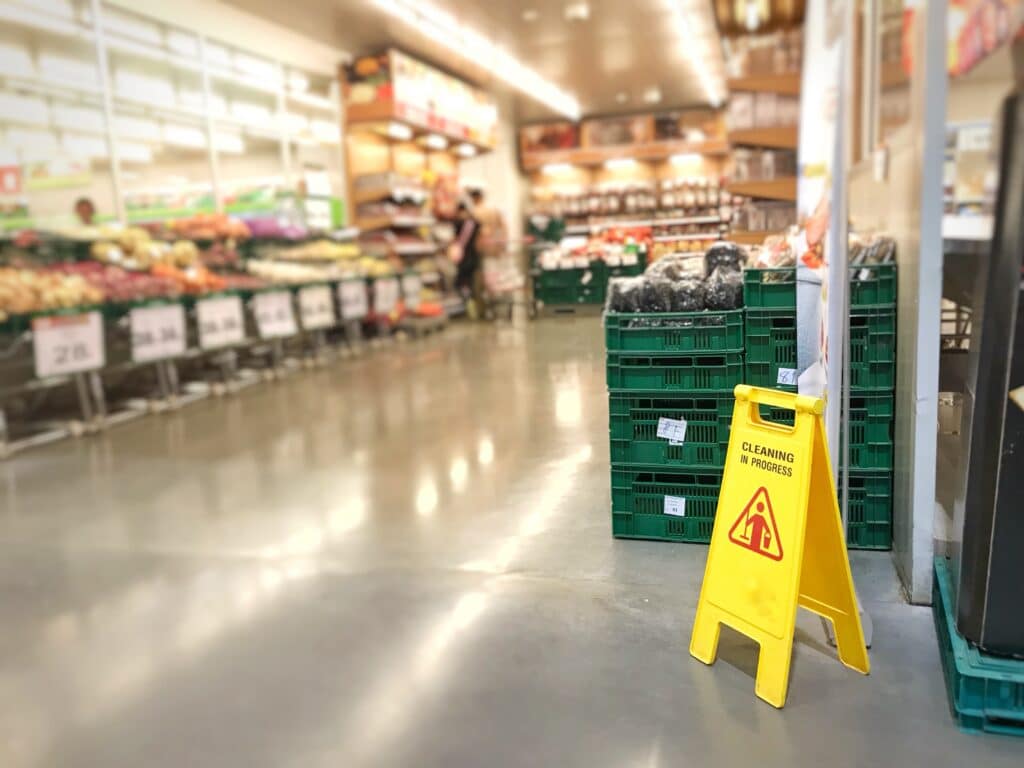
A slip and fall at a store, restaurant, shopping center, or other commercial property can happen in seconds. A wet floor, spilled product, uneven surface, poor lighting, or another hazardous condition may cause someone to lose their balance and suffer a serious injury. After the accident, however, proving what caused the fall can be more complicated. The dangerous condition may be cleaned up shortly afterward. Surveillance footage may eventually be overwritten. Employees may have different recollections of when a hazard was discovered. For an injured person pursuing a personal injury claim, preserving evidence can be critical.
California premises liability law generally requires examining whether the person or business responsible for the property acted reasonably to keep it safe and whether it knew or should have known about the dangerous condition.
Photographs of the Accident Scene
Photographs can be some of the most useful evidence after a commercial slip and fall. If you are physically able and it is safe to do so, photograph the area where you fell before the condition changes. Pictures may show spilled liquids, debris, damaged flooring, uneven surfaces, inadequate lighting, missing warning signs, or other hazards. Try to take photographs from several angles. A wider photograph can show where the hazard was located within the business, while closer images may provide more detail. If you cannot take photographs yourself, ask someone with you to document the scene.
Surveillance Camera Footage
Many commercial properties have security cameras throughout their stores, entrances, parking lots, and other areas. Surveillance footage can potentially show what happened immediately before and during a fall. It may also show how long a dangerous condition was present or whether employees walked past the hazard before the accident.
This can be particularly important because California law recognizes that evidence about how long a dangerous condition existed may help establish whether a property owner had constructive notice of the hazard. In other words, even if a business claims it did not actually know about the condition, evidence may show that it existed long enough that a reasonably careful business should have discovered and addressed it. Because businesses may not keep surveillance footage indefinitely, it can be important to identify potentially relevant video as soon as possible.
Witness Statements
People who saw the accident or the condition that caused it may be able to provide valuable information. A witness might have seen the spill before the fall, watched an employee walk past the area, or observed the condition for several minutes before the accident occurred.
If someone witnessed the incident, obtain their name and contact information if possible. Witnesses can also be helpful when there is a disagreement about what happened. An independent account may provide information that is not available from the injured person’s perspective alone.
Incident Reports and Employee Records
Businesses often create reports after customers are injured on their property.
An incident report may contain information about where the accident occurred, what employees observed, whether anyone reported the hazard beforehand, and what happened afterward.
Other business records may also become relevant. Depending on the circumstances, inspection logs, cleaning records, maintenance records, and employee schedules could help establish whether the property was being reasonably monitored.
California courts have recognized that reasonable inspection practices can be relevant when determining whether a business should have discovered a dangerous condition.
The Condition of the Property
The condition itself can provide important evidence. For example, a damaged floor, broken tile, torn carpet, defective handrail, or uneven walkway may help demonstrate what caused the fall. If the hazard is something that can be repaired or changed, photographs and other documentation become particularly important. A business may correct the condition after an accident, meaning the property may look different by the time an investigation takes place. That does not necessarily determine whether the business was responsible, but documenting the original condition can help establish what existed when the accident occurred.
Medical Records and Injury Documentation
Evidence should not focus only on the property. Medical records can help establish the connection between the accident and the injuries that followed. A person who falls at a business may suffer broken bones, back injuries, head injuries, soft-tissue injuries, or other conditions requiring ongoing treatment. Keep records of medical appointments, bills, prescriptions, physical therapy, and other treatment related to the accident. It can also be helpful to document visible injuries with photographs as they heal.
Keep Records of Financial Losses
A serious slip and fall can affect more than a person’s physical health. If an injury prevents you from working, keep documentation of missed work and lost wages. If the injury affects your ability to perform your job in the future, information about your employment and earning capacity may also become relevant. Other accident-related expenses should be documented as well. Keeping these records from the beginning can make it easier to demonstrate the financial impact of the injury.
Evidence About How Long the Hazard Existed Can Matter
One of the most important questions in many commercial slip-and-fall cases is how long the dangerous condition existed before the accident. Suppose a customer slips on a puddle in a grocery store. If evidence shows that an employee created the puddle and failed to clean it up, that may be important. If the business did not create the condition, evidence showing that the puddle had been there long enough that reasonable inspections should have discovered it may also matter.
California’s jury instructions explain that constructive notice may be established when a dangerous condition existed for enough time that a reasonable property owner would have discovered and corrected it. That is why inspection records, employee testimony, surveillance footage, and witness statements can be so valuable.
What Should You Do After a Commercial Slip and Fall?
After a fall, focus first on your health and safety. Seek medical attention for injuries and follow your healthcare provider’s recommendations. If you are able to do so safely, document the scene and gather witness information. Report the accident to the business and ask how the incident is being documented.
You should also preserve photographs, medical records, receipts, employment records, and other information connected to the accident. Avoid assuming that a minor-looking injury means there is no reason to preserve evidence. Some injuries may become more apparent over time.
An Investigation Can Help Connect the Evidence
No single piece of evidence necessarily proves a slip-and-fall claim. Instead, photographs, surveillance footage, witness accounts, medical records, inspection logs, and other documentation may work together to establish what happened. The evidence can help answer several important questions: What caused the fall? How long was the hazard present? Did the business know about it? Should it reasonably have discovered it? Was there a warning? And what injuries resulted?
Those questions can become particularly important when a commercial property owner or insurance company disputes responsibility.
Contact Ashton & Price Attorneys After a Slip & Fall Accident
A slip and fall at a commercial property can leave you facing painful injuries, medical expenses, and time away from work. If you were injured because of a dangerous condition at a store, restaurant, shopping center, or other California business, Ashton & Price can help investigate the circumstances and determine what legal options may be available. As Sacramento’s most trusted personal injury attorneys, they proudly represent injury victims throughout Sacramento and the Bay Area. Call (916) 786-7787 or (415) 843-2000 or contact us online today for a free consultation.