
Boating Under the Influence: How Alcohol Can Lead to Serious California Watercraft Accidents
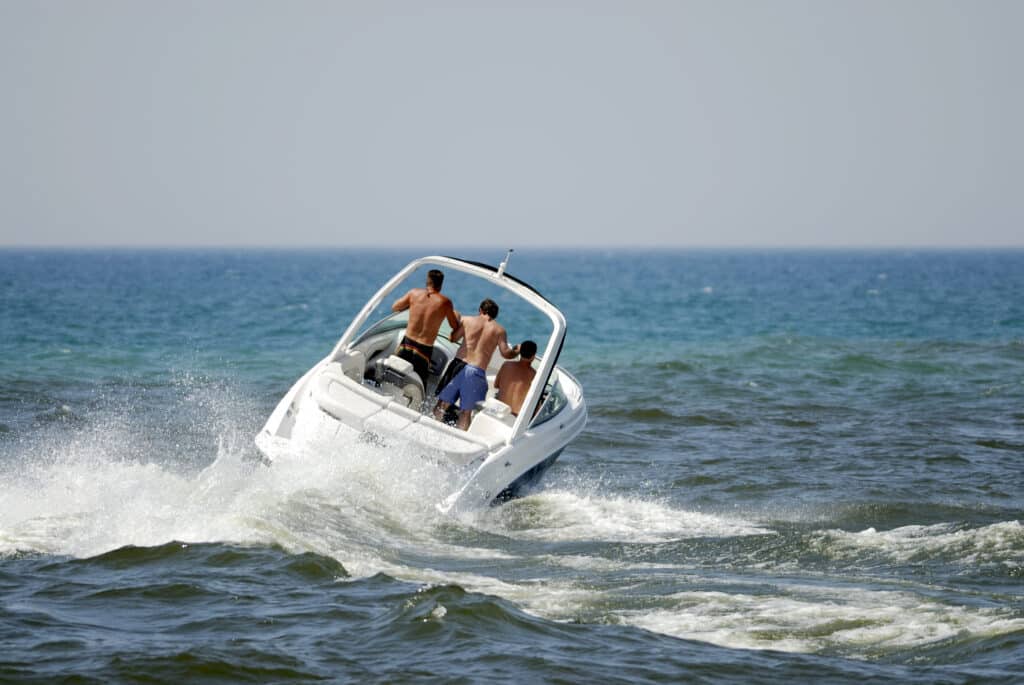
California’s lakes, rivers, and coastal waters attract boaters and personal watercraft riders throughout the year. For many people, spending a day on the water includes relaxing with friends and family. However, alcohol and boating can create a dangerous combination, particularly when the person operating the vessel is impaired.
Operating a boat or watercraft requires attention, coordination, judgment, and the ability to respond quickly to changing conditions. Alcohol can interfere with all of these abilities. California’s Division of Boating and Waterways warns that environmental factors such as wind, sun, waves, vibration, and noise can intensify the effects of alcohol while boating. When an impaired operator causes a collision or other accident, passengers and people on other boats may suffer serious injuries.
California Prohibits Boating Under the Influence
California law prohibits operating a recreational vessel while under the influence of alcohol or drugs. A blood alcohol concentration of 0.08% or higher can establish a violation, although a person may also be arrested at a lower BAC when their ability to safely operate the vessel is impaired. The law applies to more than traditional motorboats. California’s boating-under-the-influence rules can also apply to other watercraft covered by the state’s boating laws. This means that operating a boat or watercraft after drinking can have both criminal and civil consequences.
Why Alcohol Can Be Especially Dangerous on the Water
Alcohol affects people differently, but even moderate impairment can create dangerous conditions for a boat operator. A person who has been drinking may have slower reaction times, reduced coordination, impaired judgment, and difficulty maintaining awareness of surrounding hazards. Those problems can become even more significant on the water.
Unlike driving on a roadway, boating involves constantly changing conditions. Waves, wind, glare, other vessels, swimmers, floating objects, and changing distances can all require an operator to react quickly. An impaired operator may not recognize a hazard until there is too little time to avoid it.
Boating Accidents Can Happen in Seconds
A boat traveling at speed can cover significant distances before an impaired operator reacts to a developing hazard. For example, a boater may fail to notice another vessel approaching from the side. An operator may also misjudge the distance needed to stop or turn, creating a collision. On a personal watercraft such as a jet ski, the combination of speed, maneuverability, and close proximity to other riders can create additional risks. Alcohol-related impairment can make it more difficult to make safe decisions in these situations.
Alcohol Can Put Passengers at Risk, Too
The operator is not the only person who can be affected by alcohol on a boat. California State Parks has warned that intoxicated passengers can fall overboard, enter the water near a propeller, or contribute to instability on smaller vessels. Alcohol can also affect balance and coordination, making it harder for a person to protect themselves if the boat suddenly turns, stops, or hits a wave. A sober operator is important, but passengers should also be cautious about drinking while on the water. Life jackets can provide an additional layer of protection, particularly when someone unexpectedly falls into the water.
What Types of Accidents Can Result From Impaired Boating?
Alcohol-related boating accidents can take several forms. An impaired operator may:
- Collide with another boat or personal watercraft
- Strike a swimmer or person in the water
- Hit a dock or other fixed object
- Cause passengers to fall overboard
- Lose control of a personal watercraft
- Cause the vessel to capsize
- Cause a passenger to suffer a propeller-related injury
The resulting injuries can be severe. A victim may suffer traumatic brain injuries, spinal injuries, fractures, lacerations, or other serious injuries. A person who falls overboard may also face the risk of drowning or other water-related injuries.
Who May Be Responsible for an Alcohol-Related Boat Accident?
When an impaired operator causes an accident, determining liability may involve examining what the operator did before and during the collision. Evidence of alcohol impairment can be significant. Depending on the circumstances, an investigation may include law enforcement reports, alcohol testing, witness statements, photographs, video footage, vessel damage, and information about how the accident occurred.
A criminal charge or conviction does not necessarily resolve every issue in a civil injury claim, but evidence of impairment may be highly relevant when determining whether the operator acted negligently. Other parties may potentially become involved depending on the circumstances of the accident. The specific facts should be carefully evaluated before determining who may be responsible.
What Should You Do After a Boating Accident?
If you are injured in a boat or jet-ski accident, seek medical attention as soon as possible. Some injuries may not be immediately obvious, particularly after a collision or fall into the water. If it is safe to do so, document the accident scene and gather information from people who witnessed what happened. Photographs of the vessels, surrounding area, and visible injuries can also be useful.
Keep medical records and documentation of expenses related to the accident. If you missed work because of your injuries, preserve records showing your lost income as well. It can also be important to preserve information about the vessel and the circumstances surrounding the accident rather than attempting to resolve the situation informally.
Serious Watercraft Injuries Can Have Long-Term Consequences
A boating accident can cause injuries that require emergency treatment, surgery, rehabilitation, or long-term medical care. For some victims, the consequences extend beyond medical bills. A serious injury may prevent someone from working, interfere with daily activities, or result in permanent physical limitations or scarring. When another person’s impaired operation of a boat or personal watercraft causes an accident, an injured person may have grounds to seek compensation for the losses caused by the collision.
Safe Boating Starts With a Sober Operator
Alcohol and boating can create risks that are very different from those encountered on land. Wind, waves, glare, motion, and other environmental factors can compound the effects of alcohol and make an already dangerous situation worse. The safest approach is simple: keep alcohol away from the controls and designate a sober operator before heading out on the water.
When someone ignores that responsibility and causes an accident, however, the consequences can extend well beyond the operator. Passengers, other boaters, swimmers, and anyone else on the water can suffer serious injuries.
Contact Ashton & Price Attorneys at Law After a Boating Accident
A boating accident caused by an impaired operator can leave victims facing serious injuries, expensive medical treatment, lost income, and lasting consequences. If you or a loved one has been injured in a California boat or jet-ski accident caused by another person’s negligence, Ashton & Price can help you understand your legal rights and potential options for pursuing compensation. As Sacramento’s most trusted personal injury attorneys, they proudly represent injury victims throughout Sacramento and the Bay Area. Call (916) 786-7787 or (415) 843-2000 or contact us online today for a free consultation.