
What Compensation Is Available for Amputation Injuries in California?
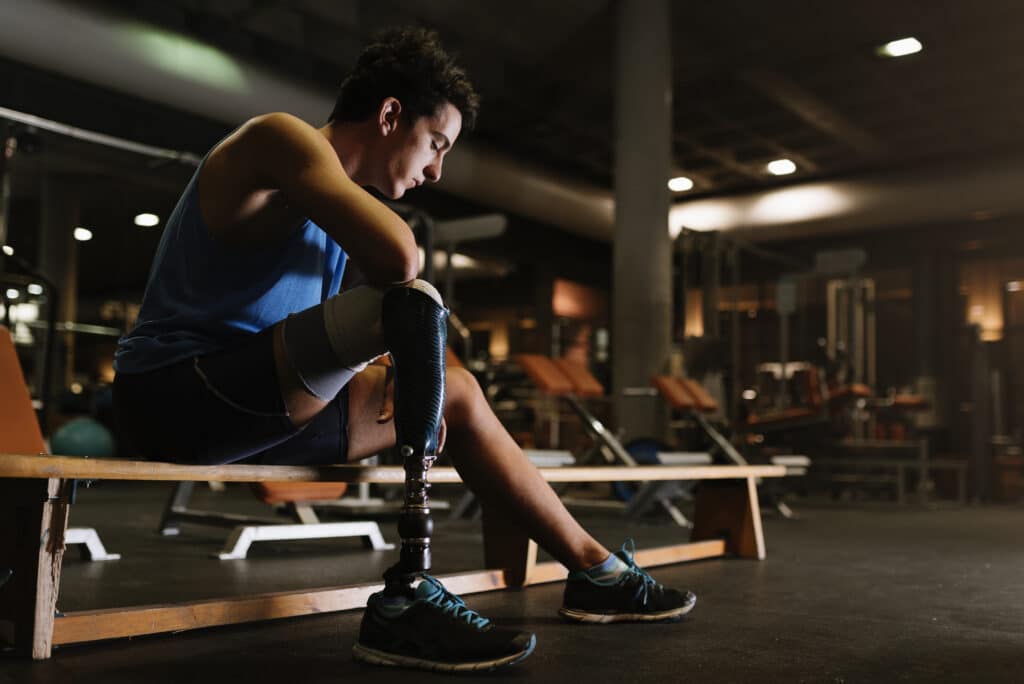
Amputation injuries are among the most severe and life-altering types of personal injuries. Losing a limb can affect nearly every aspect of a person’s life—from their ability to work to their independence and overall quality of life.
If you or a loved one has suffered an amputation due to an accident in Sacramento or the San Francisco Bay Area, understanding the types of compensation available under California law can help you plan for the future and protect your rights.
Understanding Amputation Injuries in Personal Injury Cases
Amputation injuries often result from serious accidents such as car crashes, motorcycle collisions, workplace incidents, or defective products. These injuries may involve:
- Loss of a hand, arm, foot, or leg
- Partial amputations requiring surgical correction
- Crush injuries that lead to limb removal
- Severe infections or complications following trauma
Because of their permanent nature, amputation injuries are typically classified as catastrophic injuries under California personal injury law.
Types of Compensation Available
Victims of amputation injuries may be entitled to several types of compensation depending on the circumstances of the case.
Medical Expenses
Medical costs in amputation cases are often extensive and ongoing. Compensation may include:
- Emergency medical treatment
- Surgeries and hospital stays
- Rehabilitation and physical therapy
- Prosthetic devices and replacements
- Medications and follow-up care
In many cases, future medical expenses are just as significant as initial treatment costs.
Lost Wages and Loss of Earning Capacity
An amputation injury can make it difficult—or impossible—to return to your previous job. Compensation may cover:
- Income lost during recovery
- Reduced ability to earn in the future
- Job retraining or vocational adjustments
For many individuals, the long-term financial impact can be substantial.
Pain and Suffering
Pain and suffering damages address the physical pain and emotional distress caused by the injury. This may include:
- Chronic pain
- Emotional trauma
- Anxiety or depression
- Loss of enjoyment of life
These damages are often a significant part of amputation injury claims due to the life-changing nature of the injury.
Prosthetics and Long-Term Care Costs
Prosthetic limbs can improve mobility and independence, but they also come with significant costs over time. Compensation may include:
- Initial prosthetic devices
- Ongoing maintenance and replacements
- Adjustments as your body changes
- Assistive devices and home modifications
These long-term needs are critical to consider when evaluating a claim.
Home and Lifestyle Modifications
After an amputation, many individuals must adapt their living environment. Compensation may cover:
- Wheelchair ramps and accessibility upgrades
- Vehicle modifications
- In-home care or assistance
These changes can be essential for maintaining independence and safety.
How California Law Impacts Your Compensation
California follows a comparative negligence system. This means that even if you were partially at fault for the accident, you may still recover compensation.
However, your total recovery will be reduced by your percentage of fault. For example, if you are found 20% responsible, your compensation would be reduced by 20%.
Because of this, accurately determining fault and presenting strong evidence is especially important in catastrophic injury cases.
Challenges in Amputation Injury Claims
Amputation cases are often more complex than standard personal injury claims. Some common challenges include:
- Accurately calculating future medical and care costs
- Disputes over the severity and long-term impact of the injury
- Insurance companies attempting to minimize payouts
- The need for expert testimony, such as life care planners
Properly addressing these challenges can significantly affect the outcome of your case.
The Long-Term Impact of Amputation Injuries
The effects of an amputation extend far beyond the initial injury. Many individuals face:
- Lifelong medical treatment and rehabilitation
- Emotional and psychological adjustments
- Changes in employment or career paths
- Ongoing financial strain
Understanding the full scope of these long-term impacts is essential when pursuing compensation.
What to Do After an Amputation Injury
Taking the right steps early can help protect your health and your legal claim.
1. Seek Immediate Medical Care
Follow all recommended treatment plans and attend all follow-up appointments.
2. Keep Detailed Records
Maintain documentation of medical bills, treatments, and any expenses related to your injury.
3. Track Lost Income
Keep records of missed work and any changes in your earning capacity.
4. Preserve Evidence
If possible, retain evidence related to the accident, including photos and reports.
When to Consider Legal Help
Amputation injury cases often involve significant damages and long-term consequences. If your injury was caused by someone else’s negligence, seeking legal guidance can help ensure your claim reflects the full extent of your losses.
An experienced personal injury attorney can help gather evidence, consult with experts, and pursue fair compensation under California law.
Contact Ashton & Price Attorneys at Law for Help After an Amputation Injury
If you or a loved one has suffered an amputation injury, you deserve experienced guidance and support during this difficult time. The personal injury team at Ashton & Price Attorneys at Law is here to help you understand your rights and pursue the compensation you deserve. As Sacramento’s most trusted personal injury attorneys, they are committed to guiding clients through every step of the legal process with care and experience. Call (916) 786-7787 or (415) 843-2000 or contact us online today for a free consultation and take the first step toward recovery.