Multi-Vehicle Freeway Crashes and Comparative Negligence in California
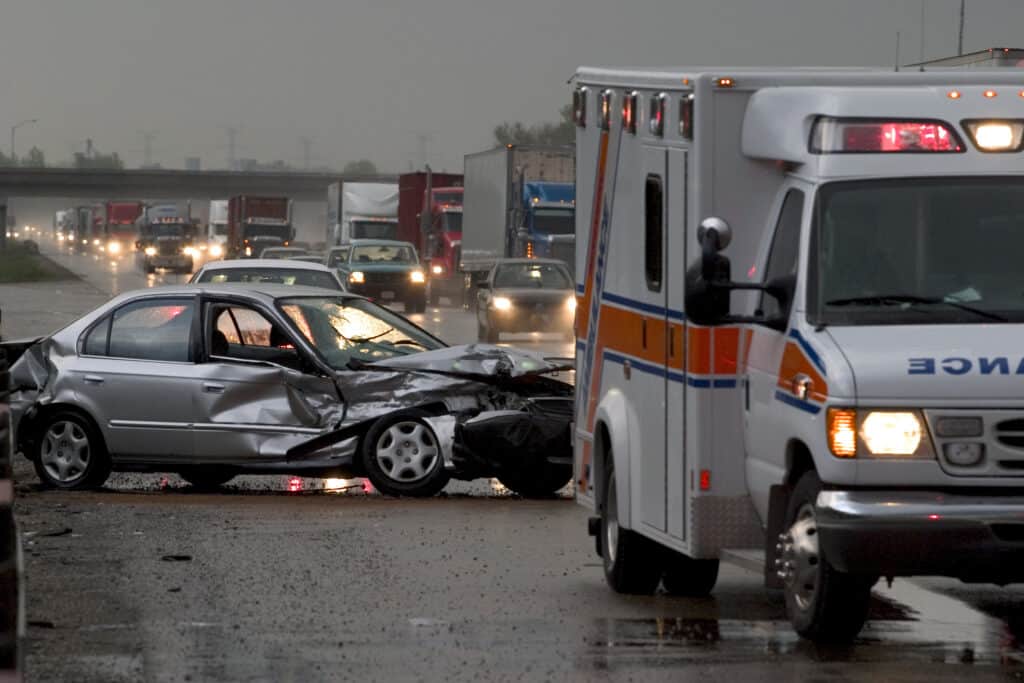
Multi-vehicle freeway crashes are some of the most chaotic and dangerous accidents on California roads. These collisions often happen in seconds but can involve numerous vehicles, severe injuries, and complicated questions about liability. Busy freeways throughout Northern California, including Interstate 680, I-80, and Highway 101, regularly see chain-reaction crashes caused by speeding, distracted driving, unsafe lane changes, and wrong-way drivers.
Recently, a deadly wrong-way crash on Interstate 680 in Concord involved multiple vehicles after authorities say a driver traveling the wrong direction collided head-on with another vehicle, triggering additional crashes as drivers attempted to avoid the collision. Incidents like this show how quickly freeway accidents can escalate and why determining fault is often more complicated than it initially appears.
Why Multi-Vehicle Crashes Are So Complex
Unlike a typical two-car accident, chain-reaction crashes often involve several drivers making split-second decisions at high speeds. One initial collision can cause a ripple effect as nearby drivers brake suddenly, swerve, or collide with stopped vehicles. On crowded California freeways, these accidents may involve:
- Rear-end collisions
- Unsafe lane changes
- Speeding drivers
- Distracted motorists
- Poor visibility or weather conditions
Because multiple actions may contribute to the crash, liability is rarely straightforward.
Understanding Comparative Negligence in California
California follows a pure comparative negligence system. This means more than one person can share fault for the same accident. Under comparative negligence rules, injured drivers may still recover compensation even if they were partially responsible for the crash. However, their compensation is reduced according to their percentage of fault. For example, one driver may have caused the initial collision by driving the wrong way, while another driver may have been speeding or following too closely when secondary collisions occurred. In these situations, fault can be divided among several parties.
How Fault Is Determined in Chain-Reaction Accidents
Investigating a freeway pileup often requires a detailed review of the accident scene and the events leading up to each collision. Insurance companies, law enforcement, and attorneys may all examine evidence to determine how responsibility should be shared. Important evidence may include:
- CHP accident reports
- Traffic camera footage
- Witness statements
- Dashcam video
- Vehicle damage patterns
- Skid marks and roadway evidence
In serious crashes, accident reconstruction experts may also be used to analyze vehicle speeds, braking distances, and driver reactions.
Insurance Companies Often Dispute Liability
Because multi-vehicle crashes can involve large financial claims, insurance companies frequently dispute fault. Drivers may blame one another, and insurers may attempt to minimize payouts by arguing that injured victims contributed to the accident. For example, insurers may claim a driver:
- Was following too closely
- Failed to brake in time
- Was speeding
- Made an unsafe maneuver while trying to avoid the collision
These disputes can significantly affect compensation in California injury claims.
Injuries in Freeway Pileups Can Be Severe
Chain-reaction freeway crashes often cause serious injuries because vehicles may be struck multiple times from different directions. High-speed impacts can leave drivers and passengers with life-changing injuries. Common injuries may include:
- Traumatic brain injuries
- Neck and spinal injuries
- Broken bones
- Internal injuries
- Severe cuts and burns
Victims may require extensive medical treatment, rehabilitation, and time away from work following a major freeway collision.
What to Do After a Multi-Vehicle Crash
The aftermath of a chain-reaction accident can feel overwhelming, especially when several vehicles and insurance companies are involved. After a freeway crash:
- Seek medical attention immediately
- Contact law enforcement and obtain a police report
- Take photographs of vehicle damage and road conditions if possible
- Gather witness information
- Avoid admitting fault at the scene
Even seemingly minor statements can later become part of liability disputes involving comparative negligence.
Ashton & Price Attorneys at Law: Your Auto Accident Advocates
Multi-vehicle freeway crashes can quickly become complicated because several drivers and insurance companies may dispute who was responsible. If you or a loved one has been injured in a California chain-reaction accident, the personal injury team at Ashton & Price Attorneys at Law is here to help you understand your rights and pursue the compensation you deserve. As Sacramento’s most trusted personal injury attorneys, they are committed to guiding clients through every step of the legal process with care and experience. Call (916) 786-7787 or (415) 843-2000 or contact us online today for a free consultation and take the first step toward recovery.