Who Is Liable After a Light Rail vs. Vehicle Accident in California?
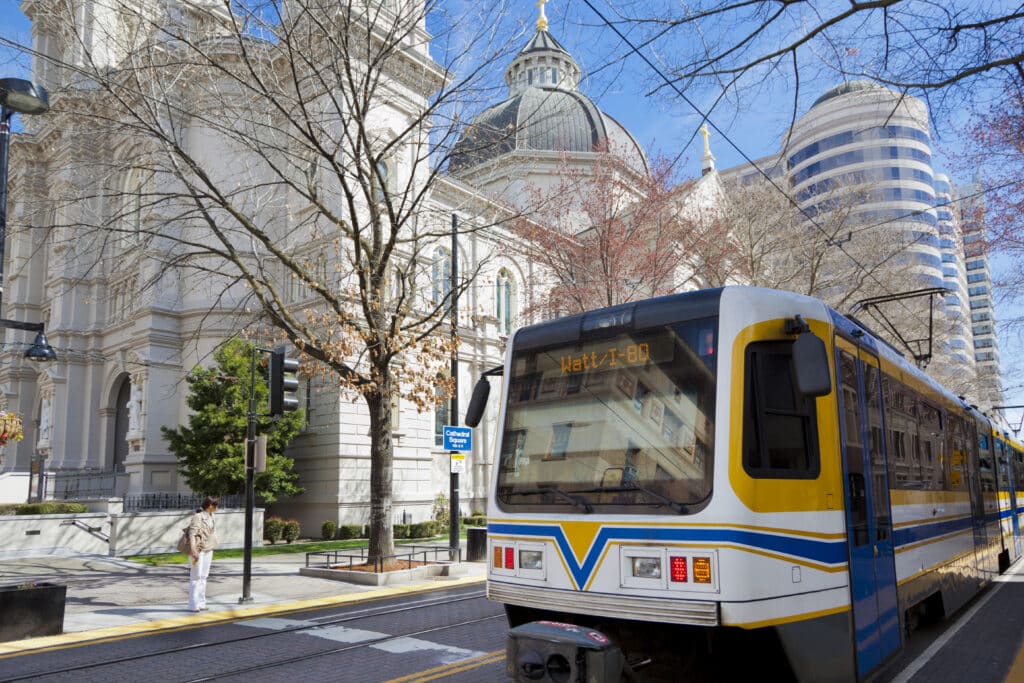
Light rail accidents can cause devastating injuries, especially when trains collide with passenger vehicles at intersections or crossings. In Sacramento and other parts of California, light rail systems operate alongside busy streets and traffic corridors, creating situations where a single mistake can lead to catastrophic consequences.
A recent light rail collision in Rancho Cordova highlighted the dangers these accidents present after a vehicle was struck by a train near a crossing area. Incidents like this raise important questions about who may be legally responsible after a light rail versus vehicle accident and how California liability laws apply.
Why Light Rail Accidents Are So Dangerous
Unlike passenger vehicles, light rail trains require significant distance to stop and cannot easily maneuver to avoid collisions. When drivers enter crossings unexpectedly or fail to obey warning signals, accidents can happen in seconds. Light rail crashes often result in severe injuries because:
- Trains are extremely heavy
- Vehicle occupants have little protection during impact
- High speeds increase collision force
- Multiple passengers may be involved
Even lower-speed rail collisions can cause life-changing injuries to drivers, passengers, pedestrians, and cyclists.
Who May Be Liable After a Light Rail Accident?
Determining liability after a train versus vehicle collision is often more complicated than a typical car accident case. Depending on the circumstances, several parties may potentially share responsibility. Liability may involve:
- The vehicle driver
- The light rail operator
- A public transit agency
- Maintenance contractors
- Government entities responsible for crossing design or signals
For example, a driver may be responsible for ignoring crossing warnings, while a transit agency could potentially face scrutiny if signals malfunctioned or visibility issues existed at the crossing.
Driver Negligence Is a Common Cause
Many light rail accidents occur because drivers fail to follow traffic laws around train crossings. Common examples include:
- Driving around crossing gates
- Ignoring warning lights or signals
- Distracted driving near rail crossings
- Attempting to beat an approaching train
- Stopping on tracks during traffic congestion
Because trains cannot stop quickly, even minor driver mistakes can have catastrophic results.
Public Transit Agencies May Also Face Liability
Public transportation agencies are responsible for maintaining reasonably safe operations and warning systems. In some situations, transit agencies may face liability if negligence contributed to the accident. Potential issues may include:
- Malfunctioning crossing signals
- Poor crossing visibility
- Inadequate warning systems
- Improper maintenance
- Operator negligence
Claims involving public transit agencies are often subject to special California government claim deadlines and procedures.
California Comparative Negligence Laws Apply
California follows a comparative negligence system, meaning fault can potentially be shared between multiple parties. For example, a driver may have entered a crossing improperly while a transit agency failed to maintain adequate warning equipment. In these situations, liability may be divided according to each party’s role in causing the accident. An injured person may still recover compensation even if they were partially responsible for the collision.
Injuries in Light Rail Accidents Can Be Severe
Light rail collisions frequently cause serious injuries requiring extensive medical treatment and rehabilitation. Common injuries may include:
- Traumatic brain injuries
- Spinal cord injuries
- Broken bones
- Internal injuries
- Severe lacerations and burns
Victims may face lengthy recovery periods, lost income, and ongoing medical expenses following a serious rail accident.
What to Do After a Light Rail Accident
After a train-related accident, protecting your health and documenting the incident can be extremely important. If possible:
- Seek immediate medical attention
- Report the accident to law enforcement and transit authorities
- Photograph the crossing area and vehicle damage
- Gather witness information
- Avoid discussing fault before understanding your legal rights
Transit accident investigations often involve extensive evidence collection and multiple insurance or government entities.
Ashton & Price: Public Transportation Injury Accident Lawyers
Light rail accidents can leave victims and families facing serious injuries, financial stress, and complicated legal questions involving public transit systems. If you or a loved one has been injured in a train or light rail accident, the personal injury team at Ashton & Price Attorneys at Law has the experience to handle complex cases involving public transit systems and government claims. As Sacramento’s most trusted personal injury attorneys, they are committed to helping clients navigate these challenges and recover the compensation they deserve. Call (916) 786-7787 or (415) 843-2000 or contact us online today for a free consultation.