
Who May Be Liable When a Truck Accident Involves Multiple Vehicles in California
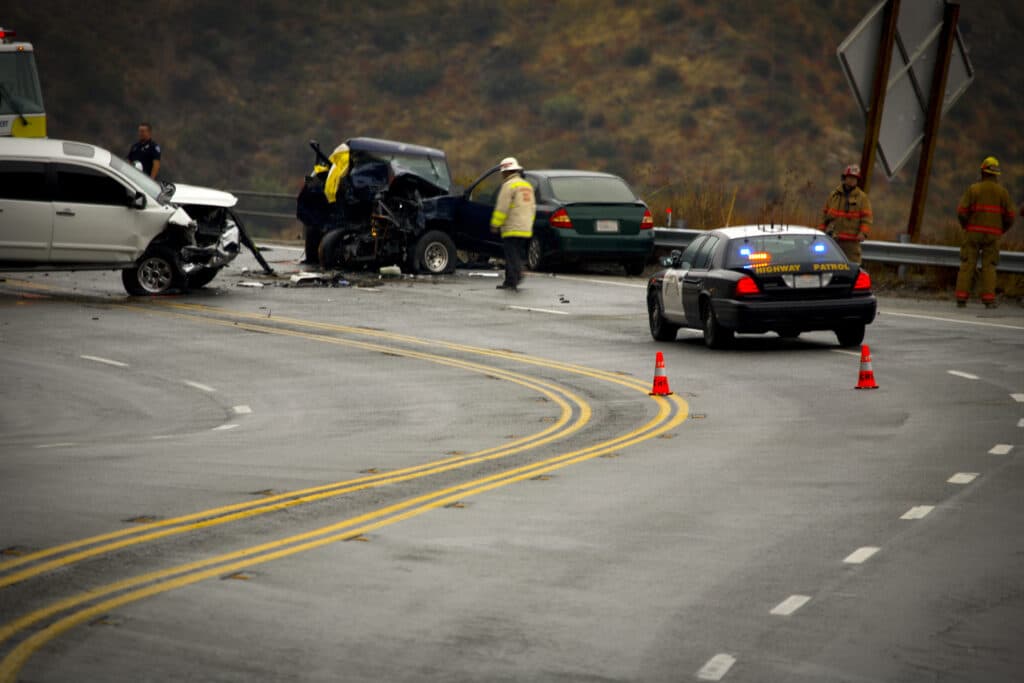
A truck accident does not always involve just two vehicles. A single collision can quickly turn into a chain reaction involving a commercial truck, passenger vehicles, construction equipment, and other motorists. When that happens, determining who caused the accident can become much more complicated.
Recent crashes on California highways show how quickly a truck collision can involve several vehicles. A crash may begin when one vehicle changes lanes, loses control, or strikes another vehicle. The first impact can then send vehicles into the paths of other drivers.
When multiple vehicles are involved, the person who caused the first impact is not automatically responsible for every injury that follows. Investigators may need to look at the actions of each driver and determine how those actions contributed to the crash.
How Is Fault Determined in a Multi-Vehicle Truck Accident?
California uses comparative fault when more than one person may have contributed to an accident. This means responsibility can be divided among the people whose actions played a role in causing the injury. For example, imagine a passenger vehicle moves into another lane and strikes a commercial truck. The truck driver then loses control and hits another vehicle. A third driver may be unable to stop and crash into the truck. Each part of the sequence would need to be examined.
California courts recognize that responsibility can be assigned among multiple people when their actions were substantial factors in causing an injury. This can make a multi-vehicle accident more difficult than a typical two-car crash. The parties may disagree about who caused the first collision, whether another driver had enough time to react, and whether later impacts could have been avoided.
When May a Truck Driver Be Responsible?
A truck driver may be responsible if careless driving contributed to the accident. Speed, following distance, unsafe lane changes, distraction, and other driving behavior may become important when investigating a crash.
California’s basic speed law requires drivers to travel at a speed that is reasonable and safe for the conditions. A driver must consider factors such as traffic, weather, visibility, and the condition of the roadway.
Truck drivers also operate much larger and heavier vehicles than most passenger vehicles. A mistake behind the wheel can therefore create a serious hazard for several nearby motorists. Investigators may examine what the driver was doing before the collision and whether the truck was being operated safely.
Can the Trucking Company Be Liable?
The driver is not always the only party that needs to be considered. Depending on the circumstances, a trucking company or another business may also have legal responsibility.
For example, an investigation may raise questions about how the driver was hired, trained, or supervised. The condition of the truck may also matter. Commercial carriers have safety and maintenance responsibilities, and California’s commercial vehicle enforcement system includes inspections involving vehicle condition, loading, equipment, and driver requirements.
A mechanical problem could also change the investigation. If faulty brakes, worn tires, or another maintenance issue contributed to the collision, records concerning the truck’s inspection and repairs may become important.
What if Improperly Loaded Cargo Contributed to the Crash?
Cargo can also play a role in a truck accident. A load that shifts, falls, or is not properly secured can affect the truck’s stability and create a hazard for other drivers.
In these situations, the investigation may need to look beyond the truck driver. The trucking company, carrier, loading company, or another party could become relevant depending on who was responsible for loading or securing the cargo.
Determining responsibility requires evidence about how the truck was loaded and what happened before the crash. The physical condition of the cargo and truck may provide important clues.
What if Another Driver Caused the First Collision?
A truck may be involved in an accident even when another driver caused the initial crash. That does not automatically make the truck driver responsible for the entire accident.
Suppose a passenger vehicle strikes a truck and sends it into another lane. The truck then hits a second vehicle. Investigators would need to determine whether the truck driver’s actions also contributed to the second collision or whether the truck was simply reacting to an event caused by someone else.
The same principle can apply to several passenger vehicles. California’s comparative fault rules allow responsibility to be divided when multiple people contributed to an injury.
Can a Roadway or Construction Company Be Involved?
Sometimes the circumstances surrounding a truck accident involve more than the vehicles and their drivers. Construction zones, lane closures, road hazards, or equipment placed near traffic may also need to be examined.
For example, a crash involving a construction vehicle or traffic-control equipment may require investigators to determine how the work zone was set up and whether the equipment was properly placed. That does not mean a construction company is automatically responsible. The evidence must show whether its actions contributed to the accident.
A recent crash near Galt illustrates why these questions can matter. CHP reported that a sedan sideswiped a construction attenuator truck on Highway 99 before crossing the freeway and being struck by a big rig. The cause of the crash remained under investigation.
What Evidence Can Help Determine Liability?
Multi-vehicle truck accidents often require a detailed investigation because the sequence of impacts matters. A police or CHP report may provide an important starting point, but other evidence can help establish what happened.
Evidence may include:
- Photos and video from the crash scene
- Dashcam or surveillance footage
- Statements from drivers and witnesses
- Vehicle damage and debris patterns
- Truck inspection and maintenance records
- Driver records
- Electronic data from the truck
- Information about cargo and loading
- Roadway and traffic conditions
CHP conducts detailed investigations of major collisions and can examine vehicle, roadway, driver, and other factors. A proper party of interest may also request a CHP crash report or investigation.
The evidence should be evaluated as a whole. Damage to one vehicle may tell part of the story, while photographs, witness statements, and vehicle data may help explain what happened before and after the impact.
What Happens if Several People Are Partly Responsible?
A person does not necessarily lose the ability to pursue compensation because another driver also contributed to the crash. California follows comparative fault principles, which can allow responsibility to be divided among multiple parties.
For personal injury claims, California law provides that a defendant’s responsibility for noneconomic damages is generally based on that defendant’s percentage of fault. Economic damages are treated differently under California’s liability rules.
Because of these rules, identifying every potentially responsible party can be important. A case may involve the truck driver, trucking company, another motorist, a vehicle owner, or another business. The specific parties will depend on the facts of the accident.
What Should You Do After a Multi-Vehicle Truck Accident?
If you are injured in a truck accident involving several vehicles, seek medical attention and report the crash to the appropriate authorities. If you are able to do so safely, take photographs of the vehicles, roadway, and surrounding area.
Keep records of your medical treatment and any expenses related to the accident. It can also help to preserve information about witnesses and any photos or video you took at the scene.
Do not assume that the first explanation of the accident tells the entire story. Multi-vehicle crashes can be difficult to reconstruct, and important evidence may come from several different sources.
Understanding Liability After a California Truck Accident
A multi-vehicle truck accident can raise questions about several drivers, businesses, vehicles, and roadway conditions. The person who caused the first impact may not be the only person whose actions contributed to the injuries that followed.
Determining liability requires a close look at the entire sequence of events. Evidence from the crash scene, vehicles, drivers, witnesses, and trucking company can help show how the accident happened and who may be responsible.
Contact Ashton & Price Attorneys at Law After a Truck Accident
If you were injured in a California truck accident involving multiple vehicles, determining who may be responsible can be challenging. Ashton & Price Attorneys at Law is here to help you understand your rights and pursue the compensation you deserve. As Sacramento’s most trusted personal injury attorneys, they are committed to guiding clients through every step of the legal process with care and experience. Call (916) 786-7787 or (415) 843-2000 or contact us online today for a free consultation and take the first step toward recovery.