
School Bus Safety in California: Protecting Children on the Road
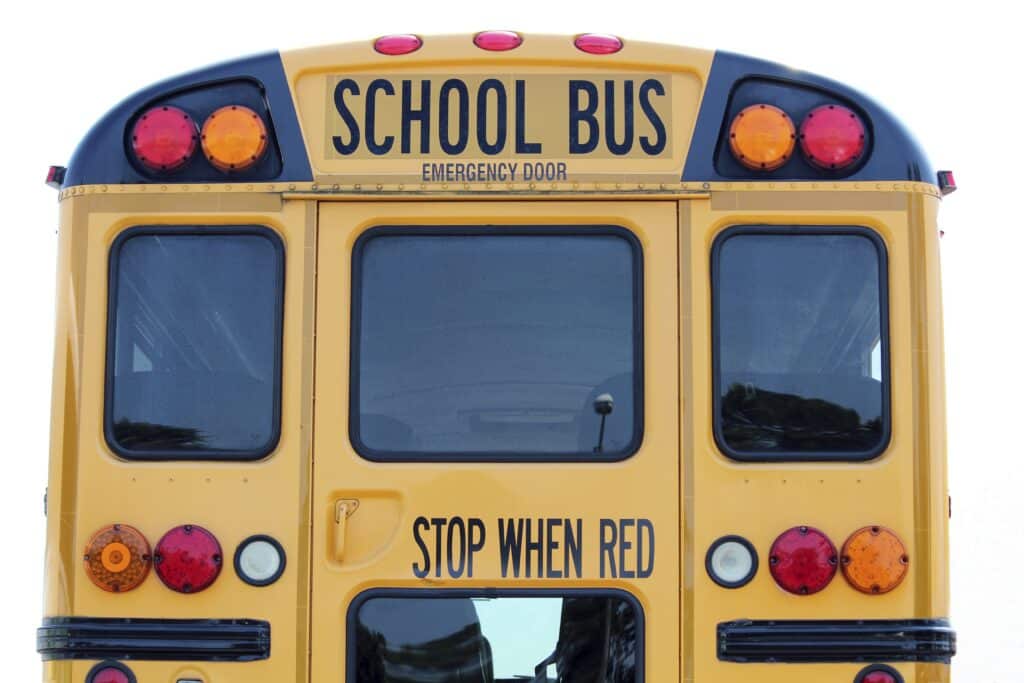
For many California families, riding the school bus is part of a child’s daily routine. School buses are designed with safety in mind, but children can still face serious risks when drivers, school transportation providers, or other motorists fail to follow safety rules. Some of the most dangerous moments occur when children are getting on or off the bus. A passing vehicle, distracted driver, or unsafe bus stop can create a serious risk of injury. Understanding California’s school bus safety requirements can help parents, children, and other drivers recognize these dangers and take steps to prevent accidents.
Why School Bus Stops Can Be Dangerous
Children are particularly vulnerable when they are near a stopped school bus. They may need to cross the street, walk between parked vehicles, or move through areas where approaching drivers have limited visibility.
California’s commercial driver handbook identifies areas around a school bus as danger zones where children can be at risk of being struck by the bus or another vehicle. These areas can extend several feet around the bus, with the area directly in front of the bus presenting an especially significant risk. For that reason, drivers should slow down and remain alert whenever they approach a stopped school bus or school zone.
Drivers Must Stop for Flashing Red School Bus Lights
One of the most important school bus safety rules applies to motorists approaching a bus with its red lights flashing. California drivers generally must stop when a school bus is displaying its flashing red warning lights and remain stopped until the lights stop flashing. Drivers approaching from either direction must stop unless the roadway is divided by a median or other qualifying separation.
Failing to stop can put children at serious risk. A child may step into the roadway expecting traffic to be stopped, leaving very little time to react if another vehicle continues through the area.
School Bus Drivers Have Important Safety Responsibilities
School bus safety does not depend entirely on other motorists. California has specific requirements for school bus drivers and transportation providers. School bus drivers must have the appropriate certification and endorsements to transport students. The California Highway Patrol also oversees aspects of the state’s school bus safety program, including driver qualifications and school bus inspections.
School buses are also subject to inspection and maintenance requirements. These rules are intended to ensure that the vehicles used to transport children are properly maintained and meet applicable safety standards. When a transportation provider fails to meet its safety responsibilities, questions about liability may arise if a child is injured.
Parents Can Teach Children Important Bus Safety Habits
Children can also benefit from learning basic safety habits before they begin riding the school bus.
Parents can remind children to:
- Wait for the bus away from the roadway.
- Stay alert when approaching or leaving the bus.
- Follow the driver’s instructions.
- Avoid running around the bus.
- Look carefully for traffic before crossing the street.
- Never assume that approaching vehicles can see them.
Children should also understand that the area immediately around a school bus can be difficult for the driver to see. The California DMV specifically identifies these areas as danger zones and provides procedures for safely loading and unloading students.
What Causes School Bus Accidents?
School bus accidents can happen for many reasons. Sometimes another motorist causes a collision by speeding, distracted driving, or failing to stop for a school bus. In other situations, the bus itself or the actions of the driver may contribute to an accident.
Potential factors include:
- Distracted or inattentive driving
- Unsafe driving by another motorist
- Improper loading or unloading procedures
- Poorly maintained equipment
- Driver fatigue or inexperience
- Unsafe bus stops
- Mechanical problems
Determining what caused an accident is important because different parties may potentially be responsible.
What If a Child Is Injured in a School Bus Accident?
A child injured in a school bus accident may require immediate medical treatment and, in more serious cases, ongoing care. Parents may also face time away from work while caring for an injured child. After an accident, medical documentation can help establish the nature and extent of the child’s injuries. Parents should also preserve information about the accident, including photographs, witness information, accident reports, and communications from the school or transportation provider. The circumstances of the accident will determine whether a potential claim involves the school district, transportation company, bus driver, another motorist, or another responsible party.
School Bus Safety Requires Everyone to Pay Attention
School buses are designed to safely transport children, but safety ultimately depends on everyone involved. Bus drivers must follow safety procedures, transportation providers must maintain their vehicles, and other motorists must respect school bus warning signals and watch carefully for children. A few extra seconds of caution can make a significant difference when children are entering or leaving a school bus. When an accident does occur, however, parents should not assume that the circumstances are straightforward. Understanding how the accident happened is an important part of determining who may be responsible for a child’s injuries.
Ashton & Price: Bus Injury Accident Lawyers
A school bus accident can be frightening for both children and their parents. If your child has been injured because of another driver’s negligence, an unsafe school bus, or another transportation-related hazard, Ashton & Price can help your family understand your legal options. As Sacramento’s most trusted personal injury attorneys, they proudly represent injury victims throughout Sacramento and the Bay Area. Call (916) 786-7787 or (415) 843-2000 or contact us online today for a free consultation.