
Can Parents Be Held Liable When a Minor Causes an E-Bike Accident?
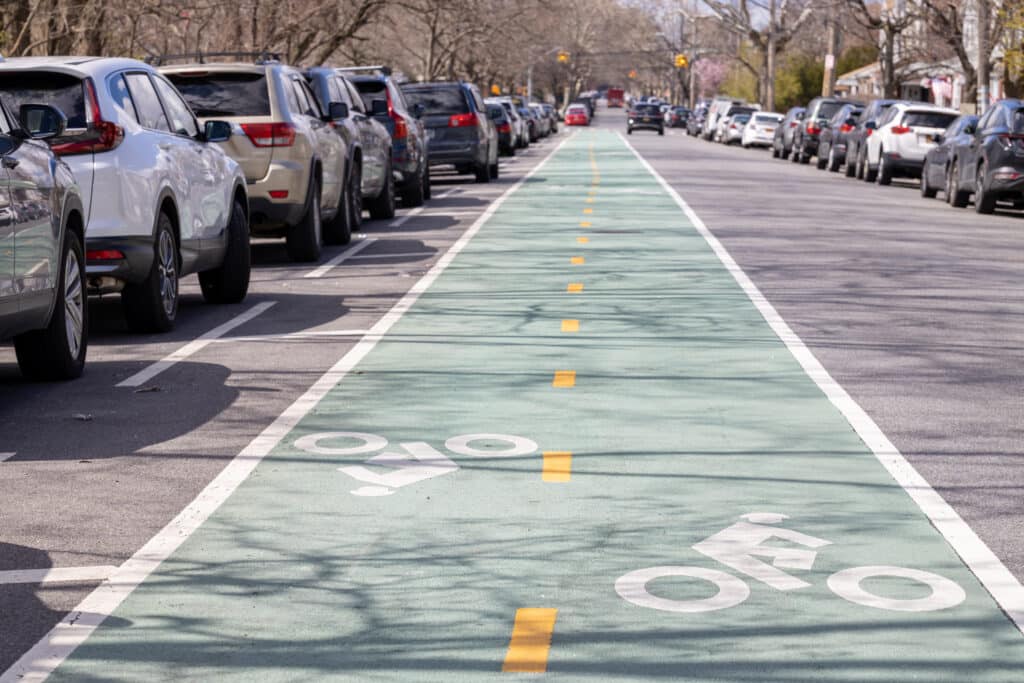
Electric bikes have become a popular way for teenagers to travel around their neighborhoods, meet friends, and get to school. However, e-bikes can reach higher speeds than traditional bicycles, and inexperienced riders may struggle to react to traffic, pedestrians, or unexpected road conditions. When a minor causes an e-bike accident that injures someone, an important question often follows: Can the child’s parents be held responsible?
Under California law, parents are not automatically liable simply because their child caused an accident. However, certain circumstances may allow an injured person to pursue a claim against a parent or guardian. The answer depends on how the accident happened, what the parent knew, and whether the parent failed to take reasonable steps to prevent a foreseeable injury.
When Can Parents Be Held Responsible for a Child’s E-Bike Accident?
California generally does not make parents automatically responsible for every negligent act their children commit. A minor who carelessly rides an e-bike and causes a collision may be personally responsible for the resulting harm. However, the injured person may also have a claim against a parent if the parent’s own conduct contributed to the accident.
For example, a parent may know that their child regularly rides recklessly through busy intersections, ignores traffic signals, or speeds along crowded sidewalks. If the parent has the ability to address that behavior but fails to take reasonable precautions, an injured person may argue that the parent’s negligent supervision helped cause the accident.
California’s Civil Jury Instruction 428 addresses this type of claim. It explains that a parent may be liable when they knew about a child’s dangerous behavior or habits, had the opportunity and ability to control the child, and failed to take reasonable steps to prevent harm. The injured person must also show that the parent’s negligence was a substantial factor in causing the injury.
This does not mean parents must prevent every mistake a child makes. The circumstances matter, including the child’s age, experience, prior behavior, and the parent’s ability to recognize and address a safety risk.
Can Parents Be Liable for a Minor’s Intentional Misconduct?
California law also addresses situations in which a minor intentionally engages in harmful conduct. Under Civil Code Section 1714.1, a parent or guardian who has custody and control of a minor may face statutory liability when the minor commits willful misconduct that injures another person or damages someone else’s property.
This rule is different from ordinary negligence. A child who accidentally rides into a pedestrian may have acted carelessly, while a child who deliberately uses an e-bike to strike or intimidate someone may have engaged in willful misconduct. The facts determine whether the law applies.
Section 1714.1 places limits on the amount of parental liability, and those limits are adjusted periodically. It also does not make a parent responsible for every accident involving a minor. An injured person must establish the type of misconduct and other requirements covered by the statute.
Does Giving a Child an E-Bike Create Liability for Parents?
Buying or allowing a child to use an e-bike does not automatically make a parent liable if an accident occurs. However, a parent’s decision to provide access to an e-bike may become relevant when the parent knows the child cannot operate it safely.
Consider a parent who gives a powerful e-bike to a young child who has little experience riding in traffic. The child may not understand stopping distances, speed, or how to navigate intersections safely. If the parent also ignores known safety concerns or allows the child to use the bike in situations beyond their ability, those facts could support an argument that the parent failed to exercise reasonable care.
The type of e-bike also matters. California recognizes different e-bike classifications, and each has specific operating requirements. For example, riders must be at least 16 years old to operate a Class 3 e-bike. Riders under 18 must also wear a properly fitted bicycle helmet when riding on public streets and bikeways.
Parents who allow a child to use an e-bike should understand its classification, speed capabilities, and applicable safety rules. They should also consider whether the child has the maturity and experience to handle it responsibly.
What If the Minor Injures a Pedestrian, Cyclist, or Driver?
The injured person’s relationship to the accident can affect how a claim develops, but it does not automatically determine whether the parents are liable.
For example, a minor may lose control of an e-bike on a sidewalk and strike a pedestrian. Another child may ride through an intersection without yielding and collide with a vehicle. An inexperienced rider could also cause a crash by traveling too fast in a crowded bike lane.
In these situations, investigators may examine the minor’s actions and whether a parent contributed to the circumstances that led to the collision. The child’s age, riding experience, prior conduct, supervision, and access to the e-bike may all become relevant.
Other parties may also share responsibility. A driver who makes an unsafe turn, a property owner who creates a dangerous condition, or an e-bike manufacturer responsible for a defective component may have contributed to the accident. A personal injury claim may involve more than one potentially responsible party.
What Compensation Can an Injured Person Recover?
When an e-bike accident causes injuries, the injured person may be able to seek compensation from the parties legally responsible. Depending on the circumstances, recoverable damages may include:
- Medical bills, emergency treatment, and rehabilitation expenses.
- Lost income and reduced future earning capacity.
- Pain and suffering.
- Physical impairment or permanent disability.
- Scarring and disfigurement.
- Damage to a vehicle, bicycle, or other personal property.
The available compensation depends on the severity of the injuries, the evidence, and the legal responsibility of each party. If a parent faces liability under a specific statute or because of their own negligence, the amount and scope of that liability may differ.
Evidence Can Help Establish Who Is Responsible
Determining responsibility after an e-bike accident involving a minor often requires a careful review of the circumstances. Photos of the scene, surveillance footage, witness statements, police reports, and medical records can help explain how the collision occurred.
Information about the e-bike may also matter. Its classification, speed capabilities, mechanical condition, and any modifications could help investigators determine whether the equipment or the way it was used contributed to the crash.
In some cases, evidence about the parent’s prior knowledge may be important. For example, messages about earlier dangerous riding incidents or testimony from people who witnessed repeated reckless behavior may help establish whether the parent knew about a foreseeable risk.
Ashton & Price: Protecting Your Rights After a E-Bike Accident
An e-bike accident involving a minor can raise complicated questions about responsibility, supervision, and insurance coverage. Although parents are not automatically liable for their child’s actions, California law may allow an injured person to pursue a claim when a parent’s negligence or a minor’s willful misconduct meets the legal requirements. If you or someone in your family has been injured in an e-bike accident in Sacramento or the San Francisco Bay Area, Ashton & Price can help you understand your legal rights and pursue the compensation you may be entitled to recover. As Sacramento’s most trusted personal injury attorneys, they proudly represent injury victims throughout Sacramento and the Bay Area. Call (916) 786-7787 or (415) 843-2000 or contact us online today for a free consultation and take the first step toward recovery.