
Who May Be Liable When Someone Falls at a Public Courthouse or Government Office?
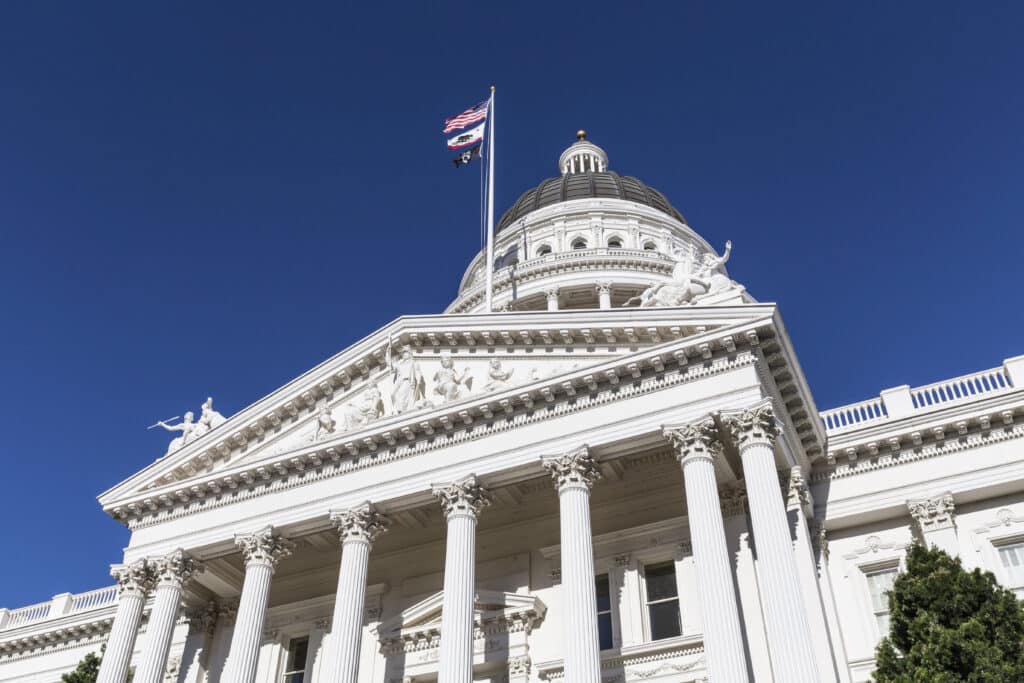
Courthouses and government offices serve thousands of people who visit for hearings, appointments, public services, and other official business. Visitors should be able to navigate these buildings without facing preventable hazards. However, wet floors, damaged stairs, loose flooring, and poorly lit hallways can cause serious slip-and-fall injuries.
When someone falls inside a public building, determining who is responsible may require more than identifying the location of the accident. The government agency that operates the building, a maintenance contractor, or another party may have contributed to the dangerous condition. In California, the facts surrounding the fall and the laws governing public property will help determine whether an injured visitor has grounds for a personal injury claim.
What Hazards Can Cause a Fall in a Government Building?
Public buildings contain many shared spaces where visitors walk, wait, and move between floors. When these areas become unsafe, even a brief trip to a courthouse or government office can result in a serious injury.
Common hazards include wet floors near entrances, leaking pipes, loose tiles, uneven flooring, damaged stairs, and broken handrails. Poor lighting can also make it harder for visitors to spot changes in elevation or other obstacles. During rainy weather, water tracked inside can create slippery entryways if staff fail to address the condition or provide appropriate warnings.
The circumstances matter when evaluating a potential claim. A wet floor does not automatically establish negligence, and not every uneven surface qualifies as a legally dangerous condition. An investigation must consider the nature of the hazard, how it developed, whether someone knew or should have known about it, and whether the condition contributed to the fall.
Who May Be Responsible for a Slip and Fall?
Several parties may warrant investigation after a fall in a courthouse or government office. The responsible party often depends on who owned or controlled the property and who created or failed to address the hazard.
A government agency: A city, county, or state agency may face liability when a dangerous condition on property it owns or controls meets California’s legal requirements. For example, a damaged staircase or recurring leak may support a claim if the evidence establishes the necessary elements of liability.
A maintenance or cleaning contractor: Some public agencies hire outside companies to clean floors, repair equipment, or maintain building systems. A contractor may bear responsibility if its negligent work creates a hazard or contributes to an injury. The agency’s potential liability depends on the facts and applicable law, so hiring a contractor does not automatically eliminate the government’s responsibility.
Another person or business: A vendor, delivery company, or other visitor may create a dangerous condition, such as spilling a liquid in a hallway. If that party’s conduct contributed to the fall, it may also become relevant to the claim.
More than one party may share responsibility. Investigators must examine each party’s actions and legal duties rather than assume that the building’s operator is automatically at fault.
How Does California Law Apply to Falls on Public Property?
California has specific rules for claims involving dangerous conditions on public property. Under Government Code section 835, an injured person generally must establish that the public property had a dangerous condition, that the condition created a reasonably foreseeable risk of the type of injury that occurred, and that it substantially contributed to the harm. The claim must also meet the applicable requirements involving the public entity’s conduct or its notice of the hazard.
For example, suppose a courthouse has a recurring leak that leaves water on a staircase. If the agency knew about the leak, or had enough information to discover it through reasonable inspection, but failed to take appropriate steps, that evidence may support a claim. Records of prior complaints, maintenance requests, inspection reports, and repair work may help establish what the agency knew and when it knew it.
However, the law does not make a public entity responsible for every accident on its property. The evidence must support the required legal elements, and certain defenses or exceptions may apply.
What Evidence Can Help Support a Claim?
Evidence can help show how the fall happened, what caused it, and which parties may have contributed to the injury. If possible, photograph the hazard, the surrounding area, and any warning signs or barriers. Report the incident to the appropriate staff and ask whether they created an incident report.
Witness names and contact information may also prove useful. If the building has surveillance cameras, footage could help establish the condition of the area before and after the fall. Maintenance records, cleaning schedules, repair requests, and previous complaints may provide additional insight into whether someone knew about the hazard.
Keep records of medical treatment, expenses, missed work, and other effects of the injury. Seek medical attention promptly, even if symptoms initially seem manageable. Some injuries worsen over time, and medical records can help document the connection between the fall and the harm you suffered.
Why Government Claim Deadlines Matter
A slip-and-fall claim involving a California government agency may follow different procedures from a claim against a private property owner. Under the California Government Claims Act, an injured person generally must present an administrative claim within six months of the injury before filing a lawsuit against the public entity. Additional deadlines may apply after the agency responds, and exceptions can affect individual cases.
These rules make it important to identify the correct agency and understand the applicable filing requirements as soon as possible. A courthouse or government office may be operated by a different public entity than visitors expect. Federal property also follows different claim procedures, so the agency responsible for the building matters.
Missing a required deadline can put a claim at risk. Anyone injured in a public building should consider seeking legal guidance promptly rather than assuming the ordinary personal injury deadline applies.
Contact Ashton & Price Attorneys After a Slip & Fall Accident
A fall in a courthouse or government office can lead to medical expenses, lost income, and lasting physical limitations. If unsafe property conditions contributed to your injury, Ashton & Price can help you understand your options under California law. A careful review of the accident, the property’s maintenance history, and the parties involved may help determine whether you have a claim and what steps to take next. Call (916) 786-7787 or (415) 843-2000 or contact us online today for a free consultation.