
What Makes a Retail Store Liable for a Slip and Fall in California?
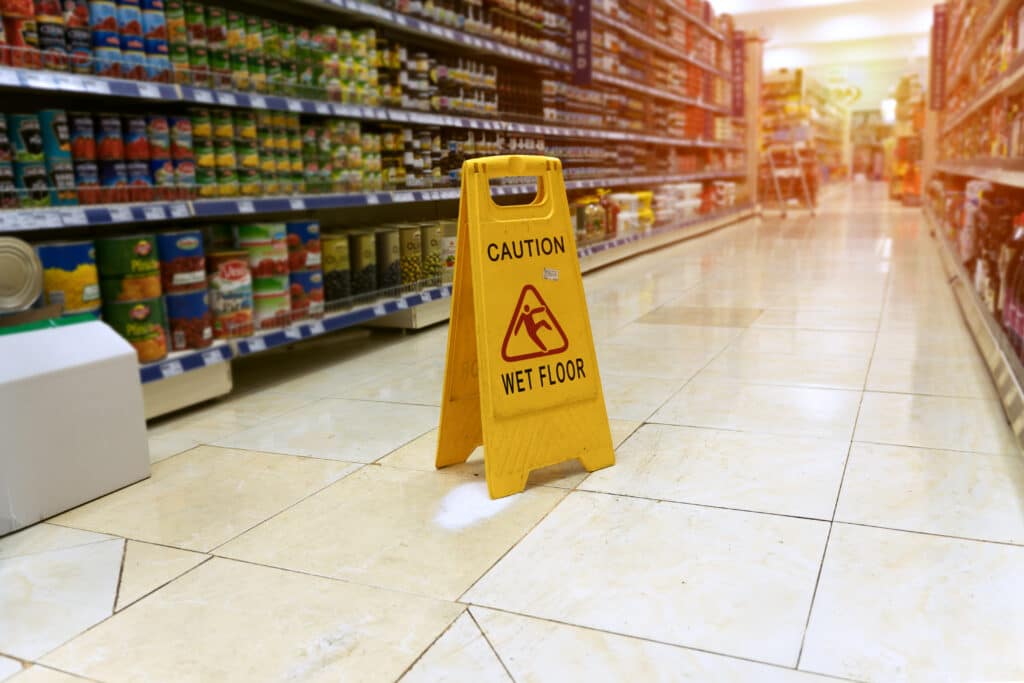
Retail stores have a responsibility to keep their premises reasonably safe for customers. When a dangerous condition causes someone to slip, trip, or fall, the store may be responsible for the resulting injuries. However, not every fall inside a store automatically creates a premises liability claim. Several factors can affect whether a retail store may be held liable under California law. Understanding what those factors are can help you determine what may have caused your accident and what evidence could support a claim.
What Is Premises Liability?
Premises liability is an area of California law that can make property owners and other responsible parties liable for injuries caused by dangerous conditions on their property. Retail stores regularly invite customers onto their property. Because customers are expected to enter and move through the store, the business generally has a duty to take reasonable steps to identify and address dangerous conditions that could cause an injury.
A dangerous condition could include a spilled liquid, damaged flooring, an uneven surface, merchandise left in a walkway, or another hazard that creates an unreasonable risk of harm. The specific circumstances of the accident determine whether the store may be legally responsible.
Did the Store Know About the Dangerous Condition?
One of the important questions after a retail store slip and fall is whether the store knew about the hazard. A store may have actual notice if an employee knew about the dangerous condition. For example, an employee may have seen a spill on the floor or received a report from another customer.
A store may also have constructive notice if the condition existed long enough that the store should reasonably have discovered it and corrected it. This distinction can matter when there is no direct evidence that an employee actually saw the hazard. For example, if a puddle had been sitting in a store aisle for a significant period of time, evidence may show that reasonable inspections would have discovered it before someone fell.
What If the Store Did Not Know About the Hazard?
A store may argue that it did not know about the condition that caused the accident. That does not necessarily end the matter. The circumstances surrounding the hazard may help establish whether the store should have discovered it. Evidence about when the dangerous condition appeared, how long it remained, and how frequently employees inspected the area can all become relevant.
California’s civil jury instructions address the circumstances courts may consider when determining whether a property owner or occupier had reason to know about a dangerous condition. For example, evidence about how long a condition existed and whether reasonable inspections would have discovered it may help establish constructive notice.
What Types of Hazards Can Cause a Retail Store Fall?
Retail stores can contain many different hazards. Some are obvious, while others may be difficult for customers to notice.
Common examples include:
- Spills or wet floors
- Broken or uneven flooring
- Loose mats or rugs
- Merchandise left in walkways
- Boxes or other objects blocking aisles
- Damaged stairs or handrails
- Poorly maintained entrances
- Inadequate lighting
The presence of a hazard alone does not automatically make a store liable. The important question is whether the condition created an unreasonable risk of injury and whether the store failed to take reasonable steps to address it.
Can Store Employees Be Important Witnesses?
Employees may have information that helps establish what happened before a customer fell. An employee may have seen the hazard, received a complaint about it, walked through the area shortly before the accident, or been responsible for inspecting or cleaning the location.
Other customers can also become important witnesses. Someone who saw the condition before the fall may be able to provide information about how long it was present. This is one reason it can be helpful to identify witnesses soon after an accident. Memories can fade, and people may become difficult to locate later.
Why Is Surveillance Video Important?
Many retail stores use security cameras throughout their premises. Depending on where the cameras are located, footage may show the area before and after a fall. Video can potentially help establish how long a dangerous condition was present, whether employees passed through the area, and what happened immediately before the accident. If you believe a store has surveillance footage of your fall, it is important to preserve information about when and where the accident occurred. Security footage may not be kept indefinitely.
What Evidence Can Help With a Retail Store Slip and Fall Claim?
Evidence can help establish both the dangerous condition and the circumstances surrounding the accident. Depending on the situation, useful evidence may include photographs of the hazard, surveillance footage, incident reports, witness statements, employee testimony, and records showing when the area was last inspected or cleaned.
Your medical records can also document the injuries caused by the fall and the treatment you received. If you are able to do so safely after an accident, take photographs of the condition that caused you to fall. Try to capture the surrounding area as well as the specific hazard. The condition may be changed or cleaned up shortly afterward.
Can You Still Recover Compensation if You Were Partly Responsible?
A retail store may argue that the customer was partly responsible for the accident. For example, the store could claim that the hazard was obvious or that the customer was not paying attention. Being partly responsible does not necessarily prevent you from recovering compensation in California. California follows comparative negligence principles, which can reduce a person’s recovery based on their share of responsibility. The facts of each accident matter. Evidence about the store’s conduct, the condition of the property, and the customer’s actions may all be considered when determining responsibility.
What Should You Do After a Retail Store Slip and Fall?
After a serious fall, seek medical attention and follow your healthcare provider’s recommendations. You should also report the accident to the store and ask how the incident will be documented.
If possible, photograph the dangerous condition and keep information about any witnesses. Save your medical records, bills, and other documentation related to the injury.
Avoid assuming that the store’s version of what happened is the only evidence available. Surveillance footage, employee records, witness statements, and other evidence may provide additional information about the accident.
Understanding Your Options After a Store Fall
A retail store may be responsible for a customer’s injuries when a dangerous condition on the property causes a fall and the store failed to take reasonable steps to address the risk. However, proving a premises liability claim often requires more than showing that an accident occurred.
Evidence about the hazard, how long it existed, whether the store knew or should have known about it, and what the store did to address the condition can all matter. If you were injured in a California retail store, understanding how the accident happened and preserving evidence can help you evaluate your legal options.
Contact Ashton & Price Attorneys After a Slip & Fall Accident
A serious retail store fall can lead to medical expenses, lost income, and other challenges. If you were injured because of a dangerous condition in a California retail store, Ashton & Price can help you understand your legal rights and determine whether you may have a premises liability claim. As Sacramento’s most trusted personal injury attorneys, they proudly represent injury victims throughout Sacramento and the Bay Area. Call (916) 786-7787 or (415) 843-2000 or contact us online today for a free consultation.